Quiet Confidence: Discreet Security for Modern Spaces

Today we step into the world of discreet security, focusing on built-in sensors, cameras that quietly blend with design, and safe access points that control flow without visual noise. You’ll find practical tactics, real stories, and ethical guardrails that protect people while preserving comfort. Expect field-tested configuration tips, placement tricks, and communication strategies that keep trust intact, reduce false alarms, and ensure security feels natural, helpful, and genuinely unobtrusive. Subscribe for weekly field notes and send us your toughest layout questions.

Hidden Senses: Integrating Built-In Sensors Without Visual Clutter

Integrate motion, contact, vibration, pressure, and environmental sensors directly into architecture so protection becomes part of the room, not an intrusion. We’ll cover placement behind finishes, calibration against pets and HVAC, wiring that vanishes, and maintenance plans that never interrupt daily routines. The goal is reliable detection with minimal false alerts, minimal aesthetic trade-offs, and durable performance that continues to work quietly when layouts, lighting, and occupancy inevitably change.

Architectural Placement Strategies

Hide PIR lenses in millwork reveals, seat reed switches inside door frames, and recess floor pressure elements beneath modular tiles. Consider sightlines, thermal plumes, and reflective surfaces that bend signals. Work with architects early, matching materials and joint patterns so tolerances, expansion gaps, and service access are preserved, ensuring devices stay stable, accessible, and truly invisible during seasons, redecorations, and cleaning cycles.

Tuning for Real Life, Not the Lab

Calibrate sensitivity with actual occupants present, running walk-tests during typical lighting, HVAC cycles, and traffic patterns. Add pet immunity, debounce contact sensors near slamming doors, and use sensor fusion to cross-validate events. Document baselines, schedule quarterly retests, and capture drift trends so rules evolve with behavior, holidays, and rearranged furniture rather than ossifying around initial assumptions that never matched lived experience.

Power, Redundancy, and Maintenance

Distribute PoE and battery backups to avoid single points of failure, labeling junctions so replacements are fast and clean. Use supervised loops, tamper switches, and heartbeat checks that alert before outages. Keep a parts cache, rotate consumables proactively, and tie maintenance to cleaning calendars, ensuring subtle protection never degrades quietly, and caretakers remain confident that hidden elements are healthy, documented, and ready during storms or outages.
Invisible Eyes: Camera Design That Blends, Respects, and Records

Design camera coverage that protects without dominating sightlines. Choose recessed domes, pinhole housings in signage, or finishes matched to ceiling grids. Balance low-light performance, IR reflections, privacy masking, and regulations. Implement explicit consent notices and retention policies people understand. Smart analytics should prioritize safety, reduce false notifications, and avoid bias, while footage remains encrypted, watermarked, and accessible to authorized responders without exposing private moments or mundane routines.

Safe Access Points: Entrances That Guard Without Announcing
Credential Choices and Threat Models
Compare mobile credentials, FIDO security keys, well-configured NFC cards, and PIN fallbacks through the lens of replay resistance, revocation speed, and user adoption. Consider duress codes and risk-adaptive policies for unusual hours. Avoid proprietary lock-in where possible, and document recovery procedures. Most importantly, select combinations that suit the culture and building layout so staff compliance remains high and work actually gets easier, not slower.

Hardware That Survives Real Buildings
Choose tamper-resistant strikes, proper strike boxes, and through-bolted handles matched to door materials. Protect cabling in steel conduit where abuse is likely, and spec hinges with security studs on out-swing doors. Test spring tension against wind loads, and confirm door sensors stay aligned over seasons. Real durability means fewer service calls, fewer props with trash cans, and entrances that quietly behave the same every single morning.

Graceful Guest Journeys and Deliveries

Design a clear path for visitors: intuitive intercom placement, accessible QR codes, and timed credentials that expire automatically. Provide weather protection for couriers and package lockers near sighted cameras, not just aesthetics. Offer instant assistance buttons for confusion without creating bottlenecks. A gentle, predictable flow reduces tailgating, compliments the front desk, and turns first impressions into confidence that carries through meetings, events, and late departures.

Network, Power, and the Quiet Backbone

Underneath subtle devices lives an infrastructure that must be sturdy and silent. Segment networks, encrypt data in transit and at rest, and audit configurations regularly. Size PoE budgets for worst-case draw with IR on, and cool cramped closets. Use UPS with graceful shutdowns, surge protection near long exterior runs, and structured cabling that installers can service quickly. Quiet reliability starts here and prevents visible failures later.

Segmented Networks and Safe Remote Access

Place cameras and sensors on isolated VLANs with tightly scoped firewall rules. Use certificate-based authentication, strong TLS, and modern WPA3 for wireless bridges. Provide remote access through VPN with hardware tokens and per-session logging. Disable unused services, rotate secrets under policy, and maintain a hardened jump host. When breaches elsewhere occur, this segmentation keeps discreet security operating safely, without exposing interior life to opportunistic scanning.

PoE Budgets, UPS Runtime, and Heat

Calculate draw with IR illuminators, heaters, and pan-tilt motors active, not just datasheet idle figures. Leave headroom for firmware features and future devices. Track UPS runtime against realistic outage durations, and ventilate closets that bake in summer. Thermal throttling quietly cripples analytics and recordings; measured airflow, labeled breakers, and capacity planning prevent mysterious downtime that users notice, even when the technology tries to stay hidden.

Logging, Health Monitoring, and Response
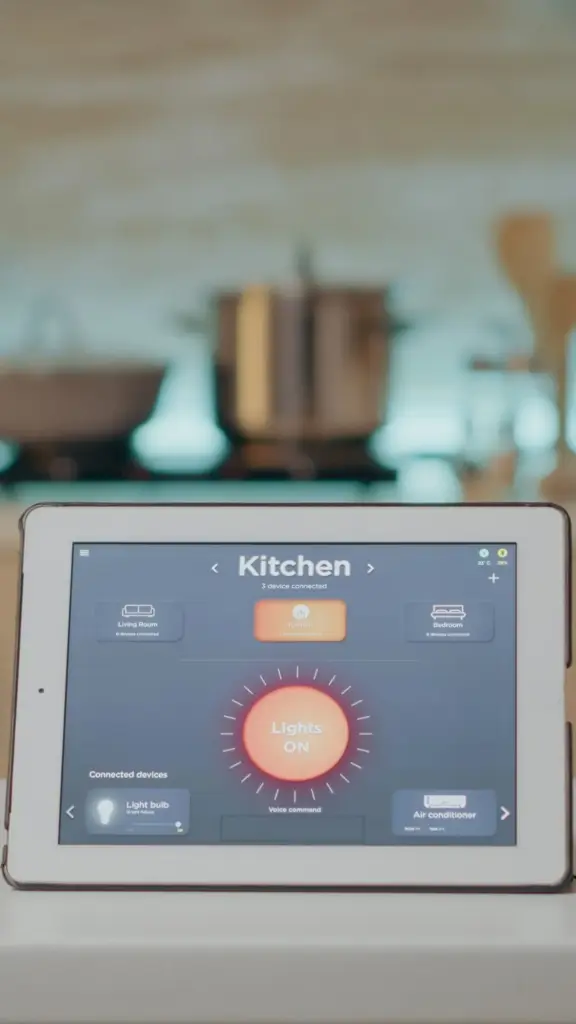
Stream device health, storage status, and alert counts into a central system with retention and dashboards. Monitor for camera blindness, tamper events, and sensor silence. Define playbooks that guide on-call staff through verification, communication, and escalation. Routine drills turn minutes into seconds, preventing small anomalies from becoming public incidents. Visibility, when curated thoughtfully, keeps invisible protections honest, accountable, and ready when genuine risk appears.

Human Factors: Trust, Behavior, and Aesthetics

Security succeeds when people feel respected. Language, materials, lighting, and signage shape perception as much as firmware. Avoid intimidation; favor warmth and clarity. Train staff to de-escalate, protect privacy, and recognize system quirks. Publish policies, collect feedback, and show change. When occupants feel included, they report issues earlier, follow procedures willingly, and view the quiet technology as a helpful partner rather than an intrusive overseer.

Design Language That Calms and Invites

Coordinate finishes so reader bezels, camera trims, and sensor grills reflect surrounding palettes and textures. Prefer human-scaled lighting, soft corners, and clear cues over harsh deterrence. Provide transparency through approachable signage that explains intent and contacts. Calming design lowers anxiety, encourages honest behavior, and turns protective measures into subtle hospitality that reinforces belonging rather than suspicion throughout lobbies, corridors, meeting rooms, and shared amenities.

Training That Empowers Frontline Teams

Give concise playbooks, role-specific dashboards, and simulations of common incidents like propped doors or repeated access failures. Celebrate correct responses publicly and refine confusing steps. Incorporate accessibility and cultural nuance, reinforcing respect during checks. Empowered teams spot patterns, support visitors, and correct small problems before they ripple outward, keeping the environment safe, confident, and gracious, even during stressful storms, outages, or sudden event surges.

Community Feedback Loops and Iteration

Establish regular forums where occupants can ask questions, request camera masks, or propose reader locations. Track suggestions, publish decisions, and show timelines. Anonymous submissions help surface sensitive concerns. Iteration builds legitimacy, and legitimacy builds compliance, which in turn strengthens quiet protections. When people see their daily realities reflected in the controls, adoption rises and the technology fades gently into the background where it belongs.

Testing, Audits, and Continuous Improvement

Treat discreet protection as a living system. Run red-team walk-throughs, simulate cut cables, and test fail-secure versus fail-safe outcomes. Validate backups and restores for VMS and controllers. Track mean time to detect and resolve, and audit permissions routinely. Document changes and retire aging hardware gracefully. Small, scheduled efforts prevent spectacular, public failures and keep the entire experience calm, respectful, and consistently dependable.

From Prototype Corner to Full Campus

Pilot in a single corridor or branch, measuring nuisance rates, user confusion, and actual incident capture. Only then scale to additional floors, entrances, and parking. Replicate success, not mistakes. Share results across teams so lessons stick. A careful rollout preserves credibility, makes budgets defensible, and ensures subtle integrations survive the messy realities of construction, snow, heatwaves, and the thousand daily bumps of normal operations.

Metrics That Actually Improve Safety

Track actionable indicators: validated incidents caught, response time, false alarm reductions, and user-reported comfort scores. Avoid vanity counts of cameras or badges issued. Tie outcomes to risk registers and business goals. Metrics should guide investment, maintenance, and training priorities, turning abstract numbers into calmer lobbies, fewer late-night lockouts, and real confidence that quiet safeguards are doing the work people expect.

Maxamezokamotexoxi
Privacy Overview

This website uses cookies so that we can provide you with the best user experience possible. Cookie information is stored in your browser and performs functions such as recognising you when you return to our website and helping our team to understand which sections of the website you find most interesting and useful.